
What a Trust Fund Attorney Does (And Why It Matters)
A trust fund attorney is a legal specialist who helps individuals and families create, manage, and protect trusts — one of the most powerful tools in estate planning.
Here’s a quick breakdown of what they do:
| Role | What It Means for You |
|---|---|
| Trust creation | Drafts revocable, irrevocable, or special needs trusts tailored to your goals |
| Trust administration | Guides trustees through fiduciary duties, tax filings, and asset distribution |
| Probate avoidance | Structures your estate so assets pass directly to heirs without court involvement |
| Dispute resolution | Handles will contests, trustee removal, and breach of fiduciary duty claims |
| Tax planning | Uses trust structures to reduce estate, gift, and capital gains tax exposure |
| Elder law & Medicaid | Protects assets from long-term care costs while maintaining eligibility |
If you’re settling a loved one’s estate right now, the short answer is this: a trust fund attorney helps you avoid costly mistakes, family conflict, and unnecessary court proceedings.
Dealing with a trust — whether you’re a trustee, a beneficiary, or an executor — can feel overwhelming fast. There are tax deadlines, creditor claims, family disagreements, and legal duties that most people have never encountered before.
The stakes are real. Trust disputes can involve millions of dollars, drawn-out litigation, and relationships permanently damaged. And the rules are complicated — trustees can be held personally liable for mismanaging assets, even when their intentions were good.
That’s why choosing the right trust fund attorney isn’t just a legal decision. It’s one of the most important financial decisions your family can make.
Tip 1: Prioritize Specialized Credentials for a Trust Fund Attorney
When you are looking for someone to handle your life savings or a complex family inheritance, a “generalist” lawyer simply won’t cut it. You wouldn’t ask a general practitioner to perform heart surgery, and you shouldn’t ask a general practitioner of law to handle a multi-million dollar trust.
In May 2026, the legal landscape is more complex than ever. To ensure your assets are protected, we recommend looking for specific high-level credentials that prove an attorney has gone above and beyond the standard bar exam.

Defining the Role of a Trust Fund Attorney
A trust fund attorney specializes in the intersection of property law, tax law, and fiduciary duty. While a general estate lawyer might write a simple will, a trust specialist handles the heavy lifting of trust creation and complex asset protection. This includes specialized areas such as Estate Planning Information for the Military, where unique federal benefits and multi-state residency issues come into play.
Identifying Top-Tier Qualifications
What separates the experts from the amateurs? Look for these “gold standard” indicators:
- ACTEC Fellowship: The American College of Trust and Estate Counsel (ACTEC) is an invitation-only society of the most preeminent professionals in the field. Fellows are elected based on their outstanding reputation and contributions to trust law.
- Board Certification: In states like Arizona, the Estate & Trust Law Certified Specialists | State Bar of Arizona program identifies attorneys who have met rigorous experience and testing requirements.
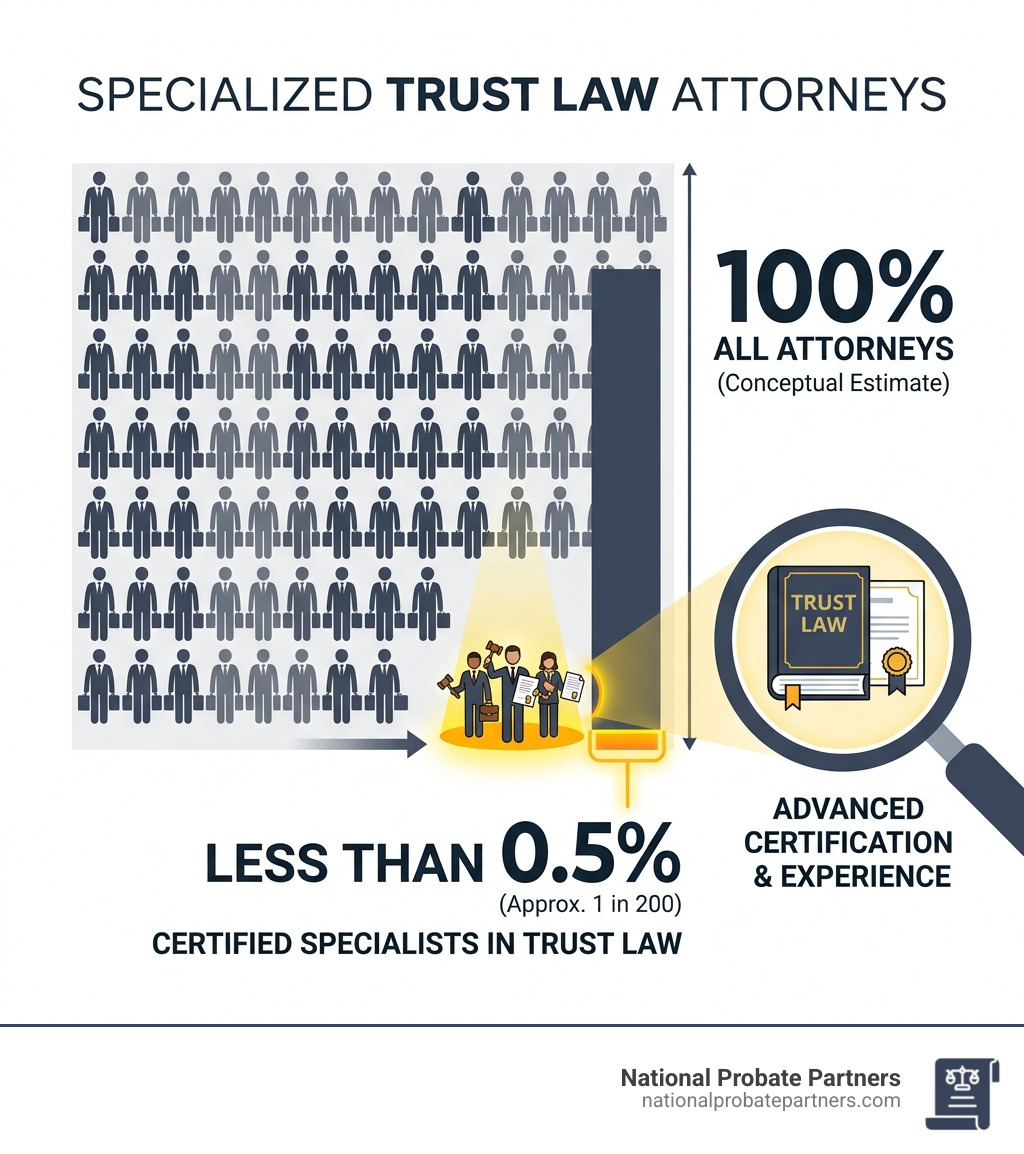
- The “0.5%” Stat: In many jurisdictions, including California, fewer than 0.5% of attorneys hold a Certified Specialist designation in Estate Planning, Trust, and Probate Law. If your attorney is in this group, you are in good hands.
- National Recognition: Check resources like the Best Trusts and Estates Lawyers in America to see if your prospective counsel is peer-reviewed and recognized for excellence.
| Feature | General Estate Lawyer | Certified Trust Specialist |
|---|---|---|
| Primary Focus | Wills, basic probate, general law | Trusts, tax strategy, litigation |
| Training | Standard Law Degree (J.D.) | Specialized certifications & ACTEC fellowship |
| Complex Tax Knowledge | Basic | Advanced (estate, gift, and generation-skipping taxes) |
| Litigation Experience | Limited | Extensive experience in trust disputes |
Tip 2: Master the Nuances of Trust Administration and Fiduciary Duties
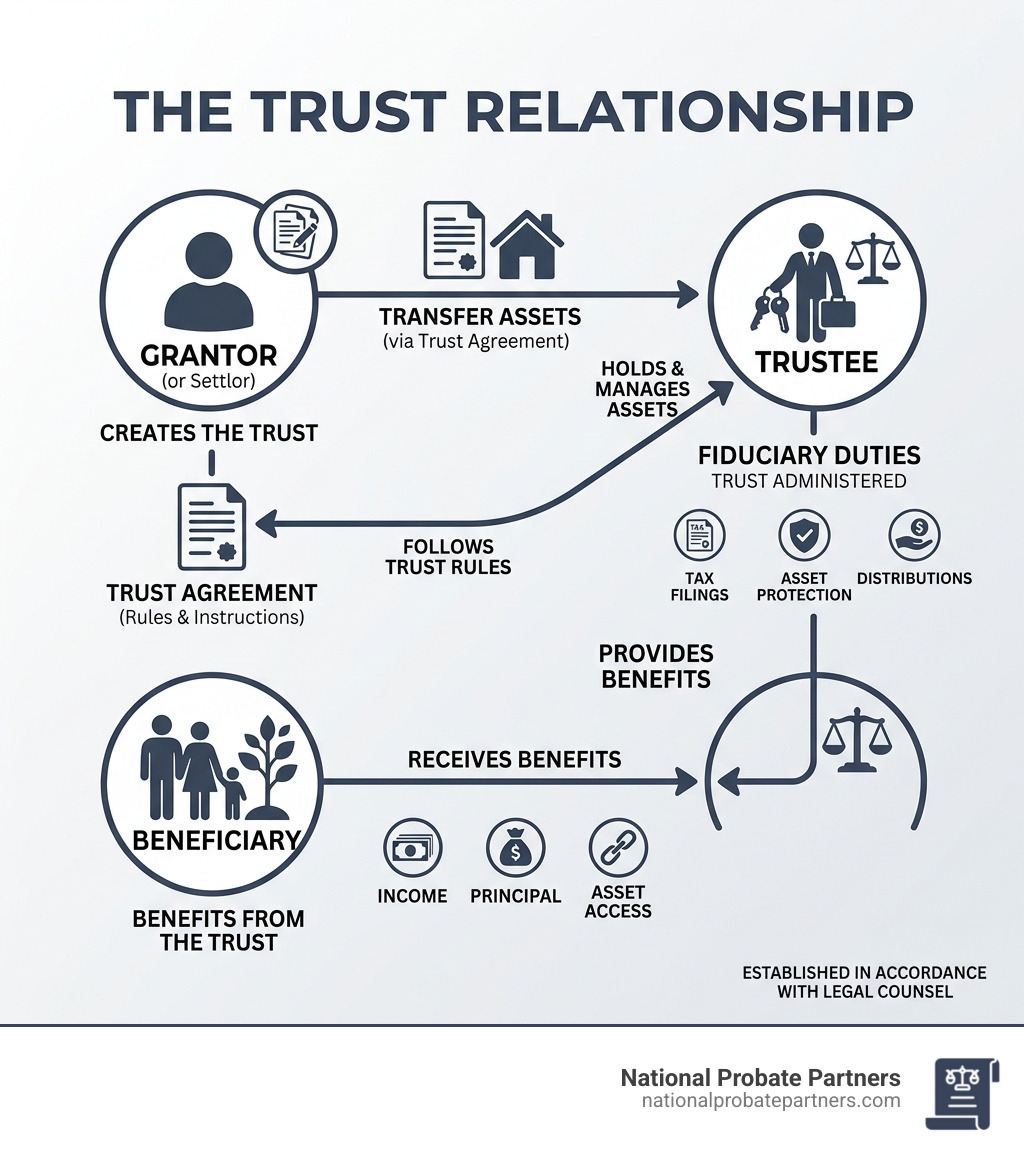
Once a trust is created and funded, the real work begins: administration. This is the process of managing the trust assets according to the “rule book” (the trust document) and state law. If you have been named a trustee, you have a “fiduciary duty,” which is the highest legal standard of care. You are essentially Managing Someone Else’s Money Without Losing Your Mind, and a trust fund attorney is your most important navigator.

When to Hire a Trust Fund Attorney for Administration
Many people think they only need a lawyer to write the trust. In reality, you often need one most when the trust “goes live.” Common triggers include:
- The Grantor’s Incapacity: If the person who created the trust becomes ill, the successor trustee must step in.
- The Death of a Grantor: This starts the distribution process and often requires filing tax returns and notifying creditors.
- Multi-Jurisdictional Assets: If the trust owns a ranch in Texas and a condo in Scottsdale, you need to navigate the laws of both states.
We often help clients understand that there is a world Beyond Probate: The Role of a Trust Administration Lawyer, where the focus shifts from courtrooms to meticulous financial management.
Navigating Trustee Responsibilities
Trustees are responsible for more than just handing out checks. They must handle:
- Annual Accounting: Keeping detailed records of every penny that enters or leaves the trust.
- Principal and Income Allocation: Deciding what counts as “growth” versus “income” for tax purposes.
- Tax Filings: Trusts are their own tax-paying entities and require specific IRS filings.
To stay organized, we recommend fiduciaries utilize resources like The Essential Trust Administration Accounting Handbook for Modern Fiduciaries to ensure no deadline is missed and no beneficiary is left in the dark.
Tip 3: Proactively Manage Disputes and Litigation Risks
Even the best-laid plans can go sideways when money and family dynamics collide. Trust litigation is on the rise as the “Great Wealth Transfer” continues through 2026. A skilled trust fund attorney doesn’t just react to lawsuits; they build “litigation-proof” structures from the start.
Resolving Fiduciary Conflicts
Most disputes fall into a few categories:
- Breach of Fiduciary Duty: When a trustee is accused of “self-dealing” (using trust money for themselves) or poor investment choices.
- Trustee Removal: When beneficiaries feel the trustee is being unresponsive or incompetent.
- Accounting Disputes: When the numbers simply don’t add up.
If you find yourself in the middle of a storm, it’s vital to start Understanding Breach of Trust and How to Protect Your Assets. Whether through mediation or a full trial, having a specialist who knows the probate and tax courts is non-negotiable.
Protecting Vulnerable Beneficiaries
One of the most noble roles of a trust fund attorney is protecting those who cannot protect themselves. As our population ages, we see more cases of:
- Elder Abuse: Financial exploitation by caregivers or even family members.
- Undue Influence: When a person is pressured into changing their trust at the last minute.
- Guardianship Issues: When a court must appoint someone to manage the affairs of an incapacitated adult.
High-profile cases, like the elder abuse suffered by actor Mickey Rooney, have shed light on how important it is to have legal safeguards in place. We work tirelessly to ensure that an inheritance intended for a grandchild or a vulnerable adult isn’t siphoned off by bad actors.
Tip 4: Leverage Trusts for Tax Efficiency and Probate Avoidance
Why do people use trusts instead of just a simple will? Two words: Control and Savings. A trust fund attorney uses these legal vehicles to bypass the public, slow, and expensive probate process while keeping the IRS at bay.
Minimizing Tax Liabilities in 2026
Tax laws are constantly shifting. By May 2026, many of the tax exemptions we once took for granted may have changed. A trust fund attorney stays ahead of these shifts by using specialized trust types:
- GRATs (Grantor Retained Annuity Trusts): Useful for passing appreciating assets to heirs with minimal gift tax.
- CRTs (Charitable Remainder Trusts): Allows you to receive income while eventually benefiting a favorite charity and reducing your tax bill.
- SLATs (Spousal Lifetime Access Trusts): A way to move money out of your taxable estate while still allowing your spouse access to the funds if needed.
Understanding the Trust vs Probate: What’s the Difference and Why It Matters is the first step in deciding which tax-saving vehicle is right for your family.
Strategies for Asset Protection
Trusts aren’t just for the ultra-wealthy. They are essential for:
- Creditor Protection: Irrevocable trusts can shield your assets from lawsuits and creditors.
- Medicaid Planning: If you need long-term care, a trust can help you qualify for benefits without “spending down” your entire life savings.
- Special Needs Trusts: These allow a person with disabilities to receive an inheritance without losing their government benefits.
Conclusion
At National Probate Partners, we know that your family’s legacy isn’t just about money — it’s about the peace of mind that comes from knowing your loved ones are taken care of. Whether you are in Scottsdale, Arizona, or Corpus Christi, Texas, the complexities of trust law require a steady, expert hand.
Managing a trust is a marathon, not a sprint. From the initial drafting to the final distribution of assets, a trust fund attorney is your partner in ensuring that the grantor’s wishes are honored and the beneficiaries are protected. If you are facing a dispute or simply want to ensure your estate is “probate-proof,” don’t wait for a crisis to act. Start Understanding Breach of Trust and How to Protect Your Assets today.
What is the average cost of a trust fund attorney?
The cost can vary significantly based on your needs. For a basic revocable living trust, many attorneys offer flat fees ranging from $2,000 to $5,000. However, for complex trust administration or litigation, fees are often hourly. Some services, like the New York City Bar Legal Referral Service, offer initial consultations for as low as $35, but specialized experts in Texas and Arizona typically charge higher rates reflecting their expertise. The cost of a “cheap” trust is often paid later in the form of expensive probate court fees and family disputes.
How do I choose the right attorney for my trust?
Start by looking for local expertise. A trust fund attorney should be intimately familiar with the probate courts in your specific county. Check client reviews for mentions of “responsiveness” and “compassion.” Most importantly, ask about their experience with your specific type of trust (e.g., “Have you handled many Special Needs Trusts?”). Certification from the state bar or an ACTEC fellowship should be at the top of your checklist.
Can a trust attorney help with Medicaid planning?
Absolutely. This is a core part of elder law. A trust fund attorney can help you set up an Irrevocable Medicaid Trust. This allows you to protect assets like your home while still meeting the income and asset limits for Medicaid eligibility. Because of the “five-year look-back period” (the rule that the government looks at your financial transfers for the five years before you apply), it is critical to do this planning early with a qualified professional.