
Why an Attorney for Wills and Probate Is the Key to Protecting Your Family’s Future
Attorney wills and probate services help families legally transfer a deceased person’s assets, validate their wishes, and settle debts — with or without a will.
Here’s what an attorney for wills and probate typically handles:
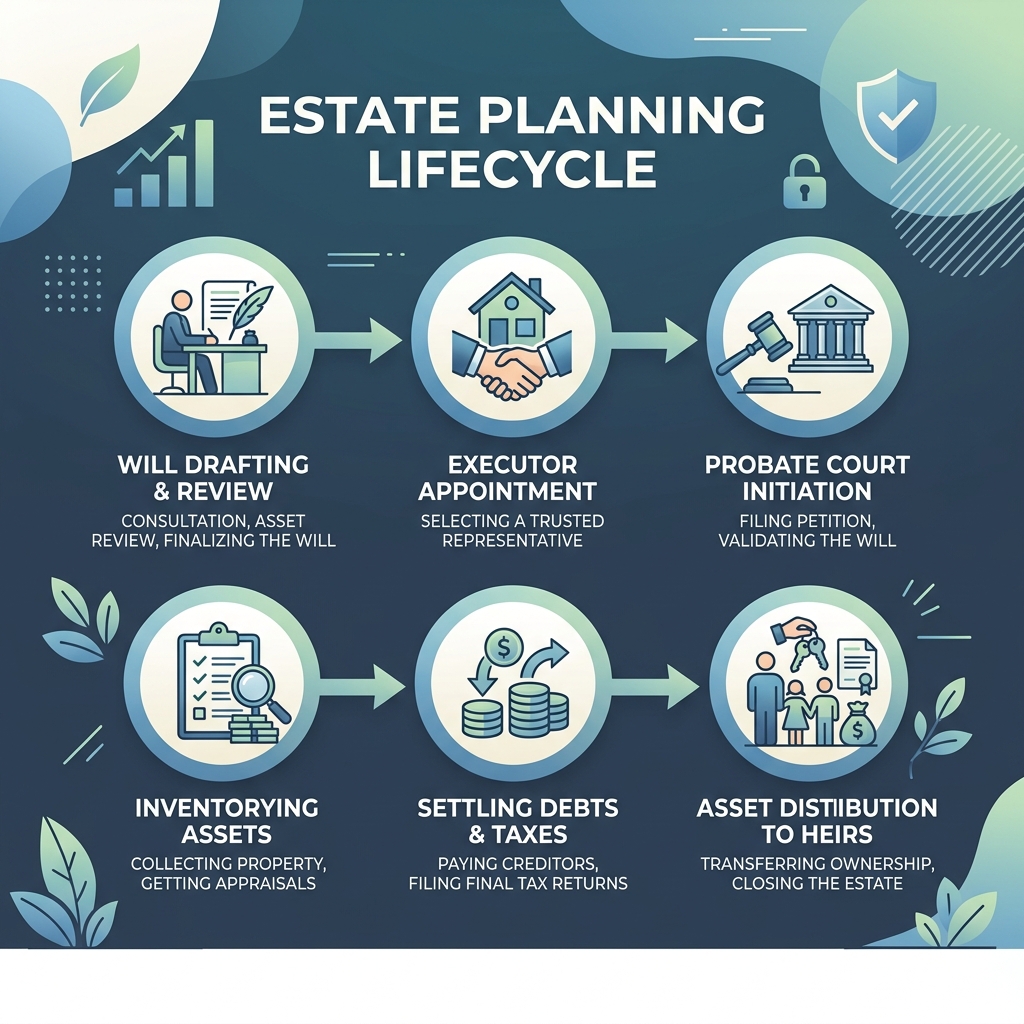
- Validating the will in probate court
- Inventorying assets and getting property appraised
- Paying creditors, taxes, and outstanding debts from the estate
- Distributing assets to the correct heirs and beneficiaries
- Drafting wills, trusts, and powers of attorney before death occurs
- Advising executors and trustees on their legal responsibilities
Losing a loved one is hard enough. Then comes the paperwork, the court dates, the family disagreements, and the creditors.
Most people don’t realize how complicated settling an estate can get — until they’re in the middle of it.
Probate, the legal process of distributing a deceased person’s estate, is a fairly common proceeding. But “common” doesn’t mean “simple.” Even straightforward estates can run into delays, disputes, or costly mistakes without proper legal guidance.
The stakes are real. A missing signature on a will, an outdated beneficiary designation, or an unresolved creditor claim can derail the entire process — and leave your family paying the price.
That’s why working with an experienced attorney for wills and probate matters so much. Whether you’re planning ahead or navigating a loss right now, the right attorney protects what you’ve built and the people you love.
Attorney wills and probate vocab explained:
Understanding the Probate Process and the Role of an Attorney
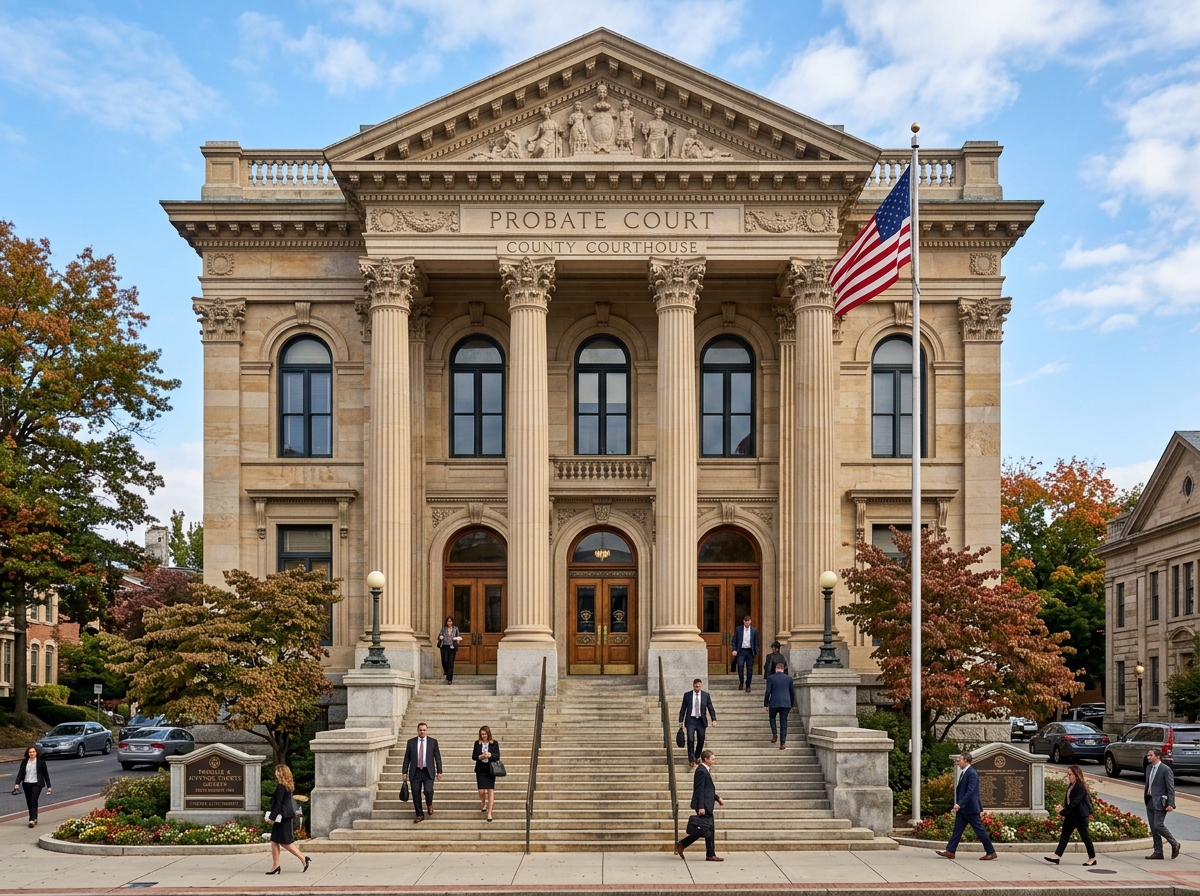
At its core, probate is the court-supervised process of authenticating a last will and testament if one exists, or distributing assets according to state law if it doesn’t. While it sounds like a simple administrative hand-off, it is actually a rigorous legal marathon.
When we step in as your attorney wills and probate specialists, we guide the estate through several mandatory phases. First, the court must “admit” the will to probate, confirming it is the valid, final expression of the deceased’s wishes. If there is no will, the court applies “intestacy” laws—essentially a state-mandated “one-size-fits-all” plan for who gets your stuff.
The process involves:
- Validating the Will: Ensuring the document meets all legal requirements.
- Inventorying Assets: Identifying everything from bank accounts to real estate and sentimental jewelry.
- Debt Settlement: Notifying creditors and paying off valid claims, including final taxes.
- Beneficiary Distribution: Handing over the remaining assets to the rightful heirs.
Navigating these waters without help can be overwhelming. To learn more about the specifics of these duties, you can read about Do You Need a Probate Attorney? Unpacking Their Role.
What Does an Attorney for Wills and Probate Do?
A probate lawyer wears many hats. We aren’t just there to file papers; we act as the engine that keeps the estate moving forward. During administration, an attorney wills and probate expert handles:
- Court Filings: Preparing and filing the initial petition and all subsequent motions required by the court.
- Property Appraisals: Coordinating with professionals to determine the fair market value of assets for tax and distribution purposes.
- Life Insurance Collection: Assisting beneficiaries in navigating the paperwork to collect policy proceeds.
- Estate Accounting: Keeping a meticulous record of every penny that enters or leaves the estate to satisfy the court and the beneficiaries.
Whether you are looking for the Best Probate Lawyers in Arizona – Justia or need help in Texas, having a professional manage these details prevents the executor from making personal legal mistakes that could lead to lawsuits.
The Role of Executors and Trustees in Estate Administration
Being named an executor (in a will) or a trustee (in a trust) is an honor, but it’s also a heavy burden. These individuals are “fiduciaries,” meaning they have a legal obligation to act in the best interest of the estate and its beneficiaries.
The responsibilities are vast. An executor must manage assets—sometimes for months or years—ensuring property is maintained and investments are protected. They must also ensure full legal compliance with state laws. Because this role is so technical, many executors choose to hire a attorney wills and probate expert to advise them. This ensures they don’t accidentally violate their duties. For a deeper look at these roles, see Beyond Probate: The Role of a Trust Administration Lawyer.
Wills vs. Trusts: Choosing the Right Strategy for Your Legacy
One of the most frequent questions we hear is: “Do I need a will or a trust?” The answer depends on your goals, the size of your estate, and how much you want to keep the government out of your business.
| Feature | Last Will & Testament | Revocable Living Trust |
|---|---|---|
| Probate Required? | Yes | No |
| Privacy | Public Record | Private |
| Cost to Create | Lower upfront | Higher upfront |
| Asset Transfer | After death | Can be during life or after death |
| Incapacity Planning | None (requires POA) | Built-in management |
A simple will is a great starting point for many. It allows you to name guardians for minor children and specify who gets your car or your home. However, a will must go through probate. A joint will is often used by couples but can be inflexible if one spouse survives the other by many years. A testamentary trust is actually created inside a will and only comes into existence after you pass away, often used to manage money for children.
To understand which fits your family best, check out Trust vs Probate: What’s the Difference and Why It Matters.
Avoiding Probate with a Revocable Living Trust
If you want to save your family time, money, and the headache of a public court process, a revocable living trust is often the gold standard. Unlike a will, assets held in a trust do not go through probate. They transfer “privately” and “efficiently” to your beneficiaries.
This is especially critical if you own out-of-state property. For example, if you live in Scottsdale, Arizona, but own a beach house in Corpus Christi, Texas, your family might have to go through probate in both states. A trust avoids this “ancillary probate” entirely. Furthermore, trusts provide excellent incapacity planning. If you become ill and cannot manage your finances, your successor trustee can step in immediately without needing a court-ordered guardianship. For those in specific states like California, you might find this California Estate Planning Checklist helpful for seeing when probate can be skipped.
The Impact of Taxes on Your Attorney Wills and Probate Strategy
We often say that death and taxes are the only certainties, but a good attorney wills and probate strategy can at least make the taxes less painful. While federal estate taxes currently only impact very high-net-worth individuals, gift taxes and annual exclusions are tools anyone can use.
By utilizing the annual gift tax exclusion, you can transfer a certain amount of wealth to your heirs each year tax-free, slowly reducing the size of your taxable estate. We also help clients navigate “generation-skipping” taxes and charitable lead trusts to ensure more of their money stays with their loved ones or causes they care about. For more on how your estate size impacts your legacy, visit Understanding the Estate: What It Means for Your Legacy.
When to Hire Professional Legal Counsel
You might not need a lawyer to change a tire, but you almost certainly need one to settle a complex estate. We recommend hiring an attorney wills and probate professional if:
- The estate includes a business that needs to stay operational.
- There are “disgruntled heirs” or family disputes that could lead to litigation.
- The deceased owned real estate in multiple states.
- The estate is insolvent (there’s more debt than money).
Specialized areas like elder law also require professional guidance. If you are worried about Medicaid eligibility or long-term care costs, an attorney can structure your assets to protect your spouse while still qualifying for the help you need. Resources like Oregon Law Help provide great general information for seniors, but personalized counsel is always safer.
Common Pitfalls of DIY Wills and Estate Planning
In the age of the internet, it’s tempting to download a “one-size-fits-all” will for $49. We strongly advise against this. DIY estate planning is a minefield of potential disasters. Common issues include:
- Invalid Documents: Not following state-specific witness or notary requirements.
- Ambiguous Language: Using phrases that are open to interpretation, leading to family fights.
- Missing Signatures: A single missing initial can invalidate a whole page.
- Litigation Risks: DIY wills are much easier to contest in court.
If you are wondering if a document will hold up under pressure, read Is That Will Valid? Exploring the Grounds for a Contest.
Choosing the Right Estate Planning or Probate Attorney
Not all lawyers are created equal. When searching for an attorney wills and probate expert, look for:
- Board Certification: In states like Florida and Texas, attorneys can become “Board Certified” in Estate Planning and Probate Law, which marks them as true specialists.
- Years of Experience: Look for an attorney with at least a decade of experience in this specific field.
- Local Expertise: Probate laws vary wildly by state. An attorney in Scottsdale needs to know Arizona law inside and out.
- Fee Structure: Be sure you understand if they charge hourly, a flat fee, or a percentage of the estate.
For a checklist of what to ask during your first meeting, see our Probate Lawyer FAQ.
Essential Estate Planning Tools Beyond the Will
Estate planning isn’t just about what happens after you die; it’s about making sure you are taken care of while you are still here.
- Durable Power of Attorney: This allows a trusted person to handle your finances if you become incapacitated.
- Health Care Directives & Living Wills: These documents tell doctors what kind of medical treatment you want (or don’t want) if you can’t speak for yourself.
- Medical Authorizations: This gives your family the legal right to see your medical records and talk to your doctors during an emergency.
Properly naming your beneficiaries is also a key part of this “living” plan. You can find more info in The Named Beneficiary in a Will: Your Essential Guide.
Navigating State-Specific Probate Laws
Geography matters in probate. For instance, Florida has a very specific certification process for its 278 board-certified wills and estates lawyers. In Ohio, there are dozens of top-rated attorneys serving areas like Columbus, each navigating specific county rules. In Tennessee, probate might happen in Chancery Court or a dedicated Probate Court depending on the county.
If you own property in a state where you don’t live, you’ll need to understand “ancillary probate.” We’ve broken that down for you here: Everything You Need to Know About Ancillary Probate.
Frequently Asked Questions about Attorney Wills and Probate
Still have questions? You aren’t alone. You can find our full Ultimate Probate Lawyer FAQ: 2025 Edition here, but we’ve answered the big ones below.
How much does a probate lawyer cost and who pays for their services?
The cost varies based on the estate’s complexity. Some attorneys charge an hourly rate, while others offer a flat fee for simple estates. In some states, lawyers may charge a percentage of the estate’s value. The good news? The estate typically pays the fees, not the heirs out of their own pockets. For a detailed breakdown, see How Much Does a Probate Lawyer Cost?.
How can I avoid probate through proper estate planning?
You can keep your family out of court by:
- Setting up Joint Ownership with rights of survivorship.
- Using Beneficiary Designations (POD/TOD) on bank and retirement accounts.
- Creating a Revocable Living Trust.
- Utilizing Small Estate Affidavits if the estate value is below your state’s threshold.
When might I need specialized services like elder law or asset protection?
You should seek specialized help if you are concerned about:
- Medicaid Planning: Protecting assets while qualifying for long-term care.
- Special Needs Trusts: Providing for a disabled loved one without disqualifying them from government benefits.
- Spendthrift Provisions: Protecting an inheritance from an heir’s creditors or poor spending habits.
- Asset Protection: Shielding your legacy from potential future lawsuits.
Conclusion
At National Probate Partners, we believe that estate planning and probate shouldn’t be a source of fear. Whether you are in Scottsdale, Corpus Christi, or serving in the Armed Forces abroad, we provide the personalized, compassionate, and expert guidance you need to navigate these complex legal waters.
Don’t leave your family’s future to chance. From simple wills to complex litigation and nationwide estate administration, we are here to ensure your legacy is protected and your loved ones are cared for.
Secure your legacy with an expert probate lawyer at National Probate Partners today.